Helping select the European Capital of Innovation (iCapital Awards)
cities applying
semi-finalists
finalists
winner
WHAT:
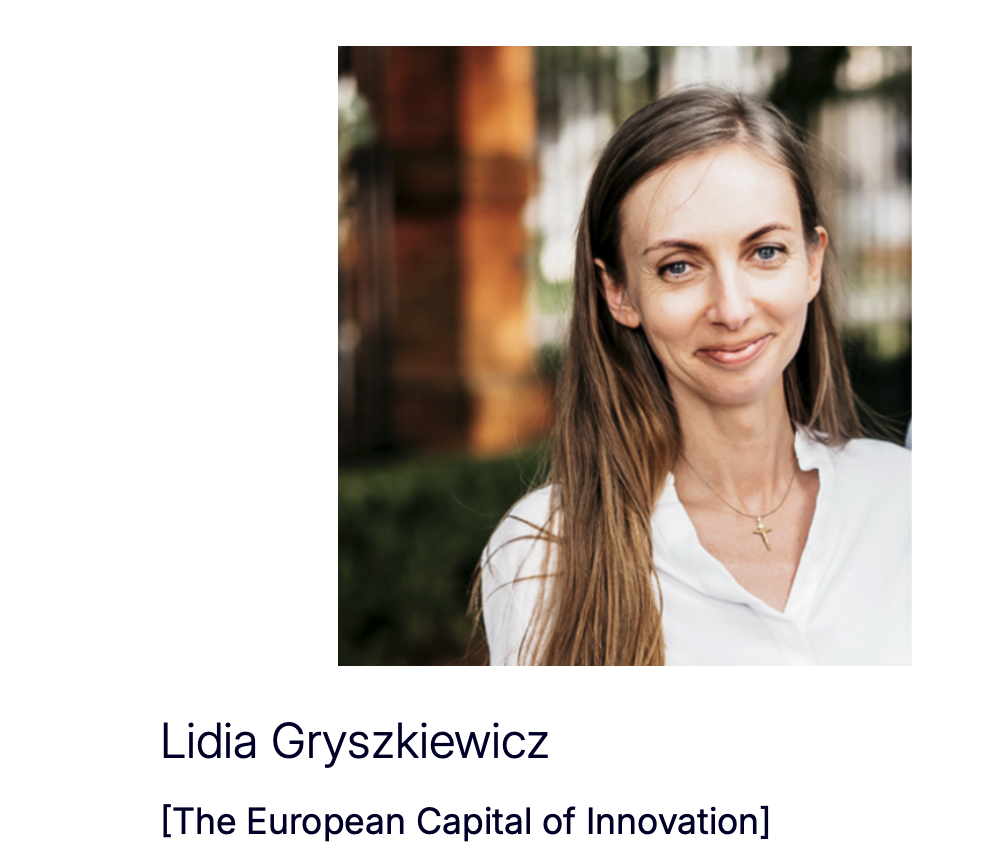
Dr Lidia Gryszkiewicz, Director of The Impact Lab, was invited to serve as the Jury Member of the prestigious European Capital of Innovation Award (iCapital).
‘The competition rewards those European cities that are courageous enough to open their governance practices to experimentation and push the boundaries of technology for the benefit of their citizens.
In addition to the monetary reward, the prize brings high visibility in the form of renewed public interest and increased media coverage. Moreover, all winners and runners up will be invited to join the iCapital alumni network. This is a prestigious club where they all meet to share their knowledge, discuss common challenges, and work together to find solutions.
Past winners are Barcelona (2014), Amsterdam (2016), Paris (2017), Athens (2018), Nantes (2019), Leuven (2020), Dortmund (2021), and Aix-Marseille Provence Metropole (2022), Lisbon (2023), and Turin (2024-25) as European Capitals of Innovation.’ (EIC, 2025)
HOW:
The evaluation process was based on the following award criteria:
‘1. Experimenting – innovative concepts, processes, tools, and governance models proving the city’s commitment to act as a test-bed for innovative practices, while ensuring the mainstreaming of these practices into the ordinary urban development process.
2. Escalating – promoting the acceleration of the different actors of the local innovation ecosystem, supporting growth of highly innovative start-ups and SMEs, establishing innovation friendly legal framework, creating an environment that stimulates growth and attracts private and public investments, resources, diversity and talents; and driving innovation demand through efficient innovation public procurement.
3. Ecosystem building – unlocking cities’ potential as local innovation ecosystem facilitators by fostering synergies among different innovation ecosystem players, from public, industry, startups, civil society, citizens to academia, to contribute to the development of an innovation ecosystem within the city.
4. Expanding – acting as a role model for other cities by supporting the dissemination and replication of tested solutions that boost the local innovation ecosystem; by promoting mutual learning, knowledge transfer and capacity building; and by enhancing cooperation and synergies between cities that are front-runners in driving the local innovation ecosystem, and those that are still exploring and testing their role as innovation enablers.
5. City innovative vision – applicants should demonstrate their long-term strategic vision/plan, highlighting the innovative initiatives that have positively contributed to the transformation of the city and which will further support the development of a sustainable and resilient innovation ecosystem ensuring the green and digital transitions.
6. Citizens’ rights – the use of innovation to strengthen democracy, to protect citizens’ rights, to foster social cohesion, and ensure integration with a special view on minorities, gender, disability, or race.’ (EIC, 2025)
After the first round, in which written proposals and videos were evaluated by the Jury, six best cities were invited to enter the second round. At that stage, the Jury held the hearings with each candidate city, typically represented by the mayor, city council, innovation-related departments and core innovation ecosystem stakeholders.
RESULTS:
The following cities were selected as winners this time:
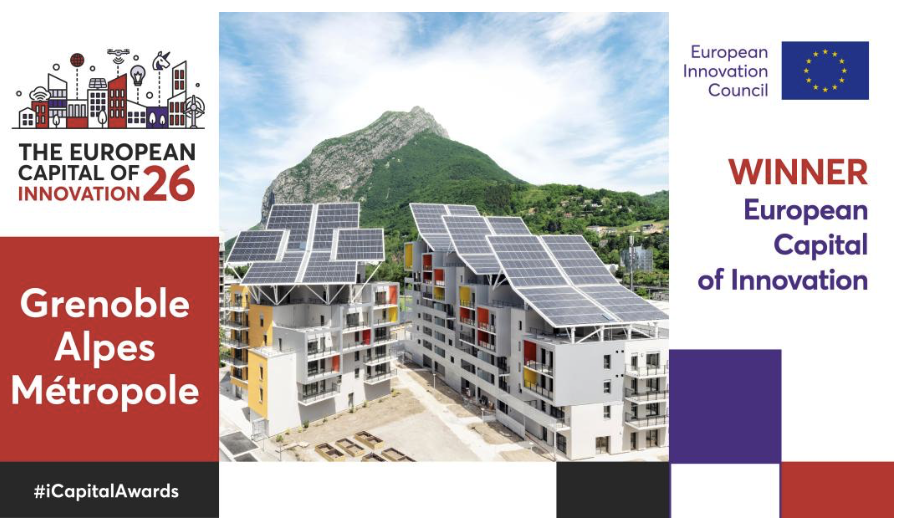
Winner: Grenoble Alpes Métropole (France).
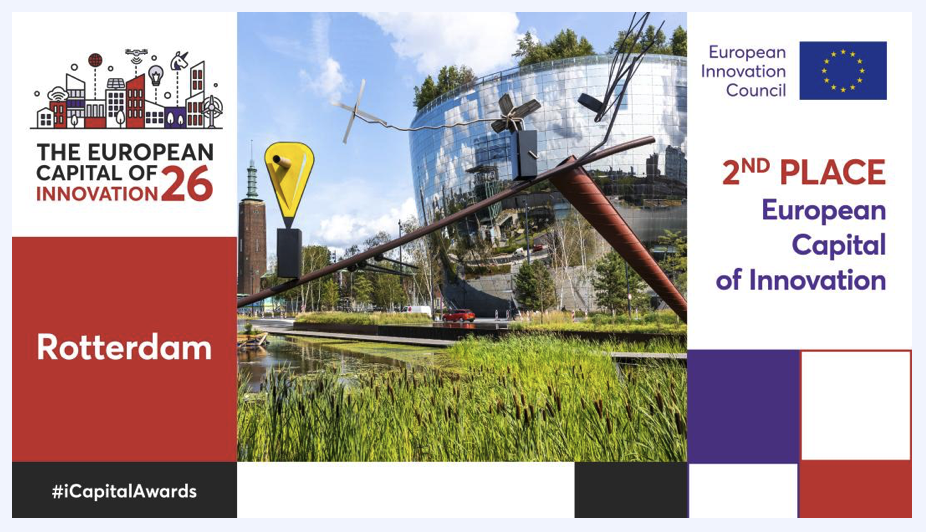
2nd place: Rotterdam (the Netherlands).
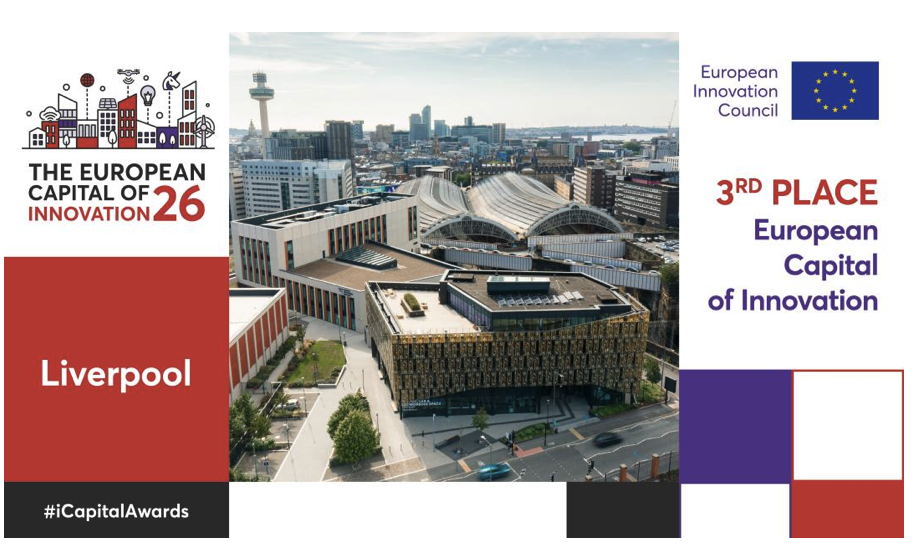
3rd place: Liverpool (United Kingdom)
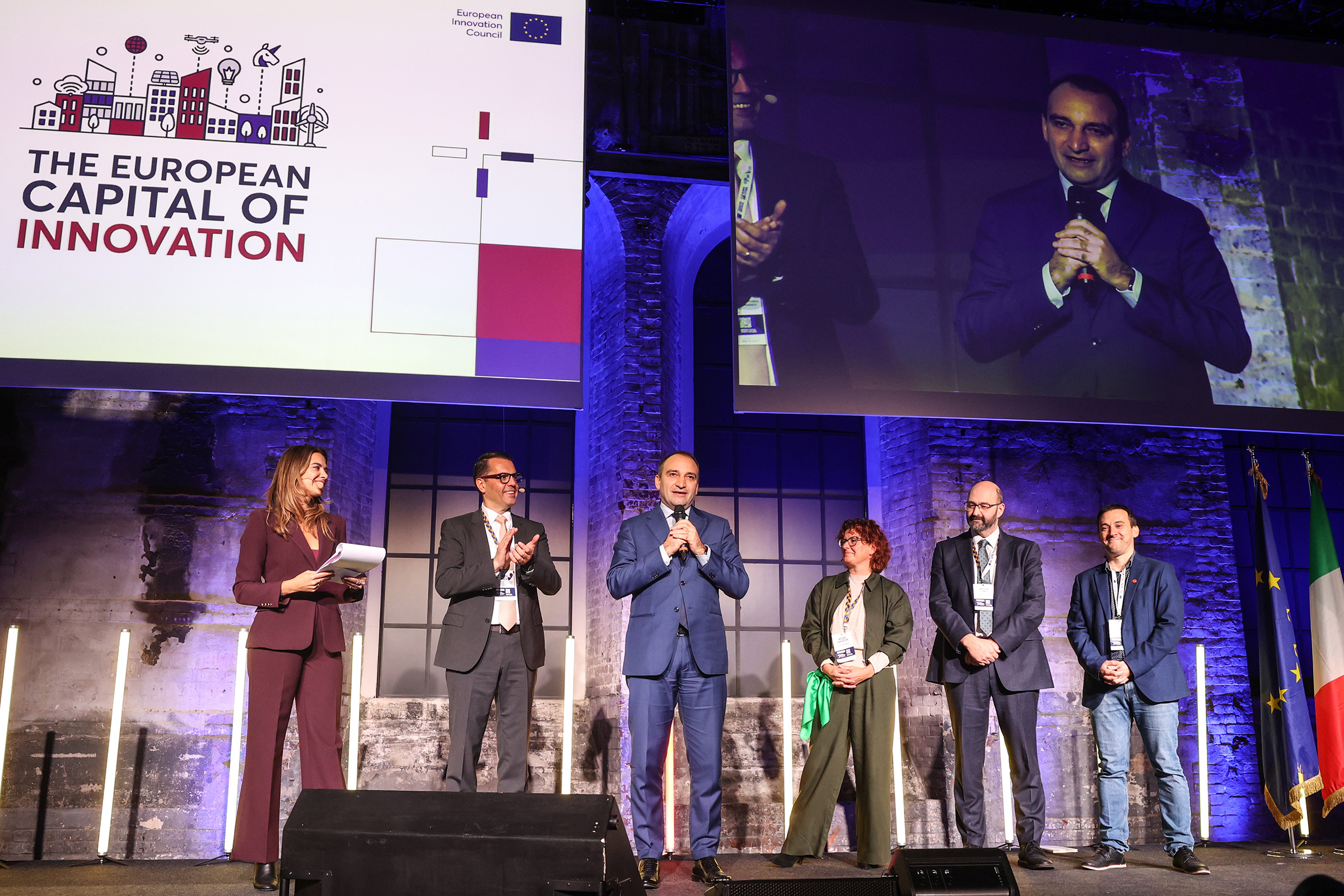
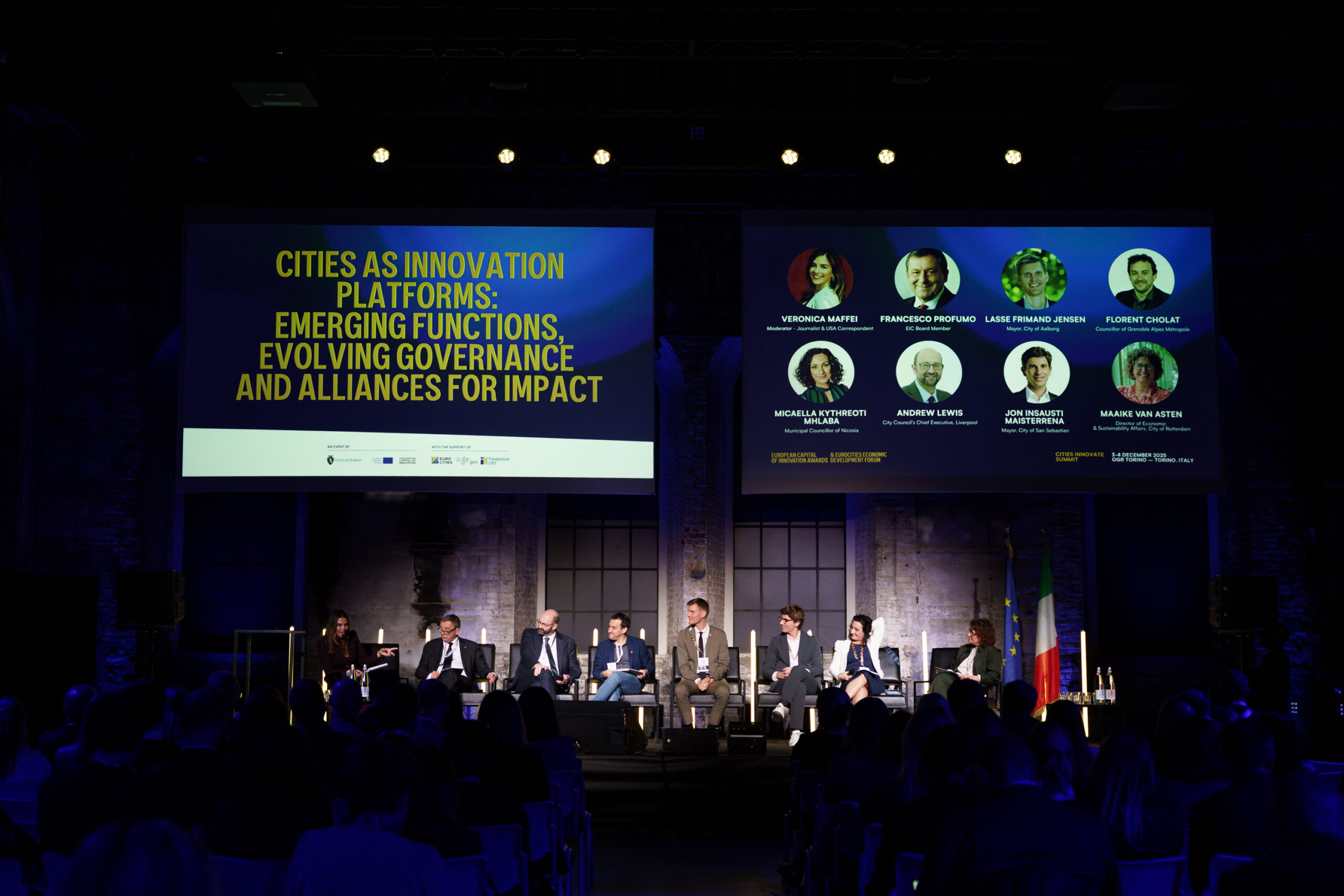
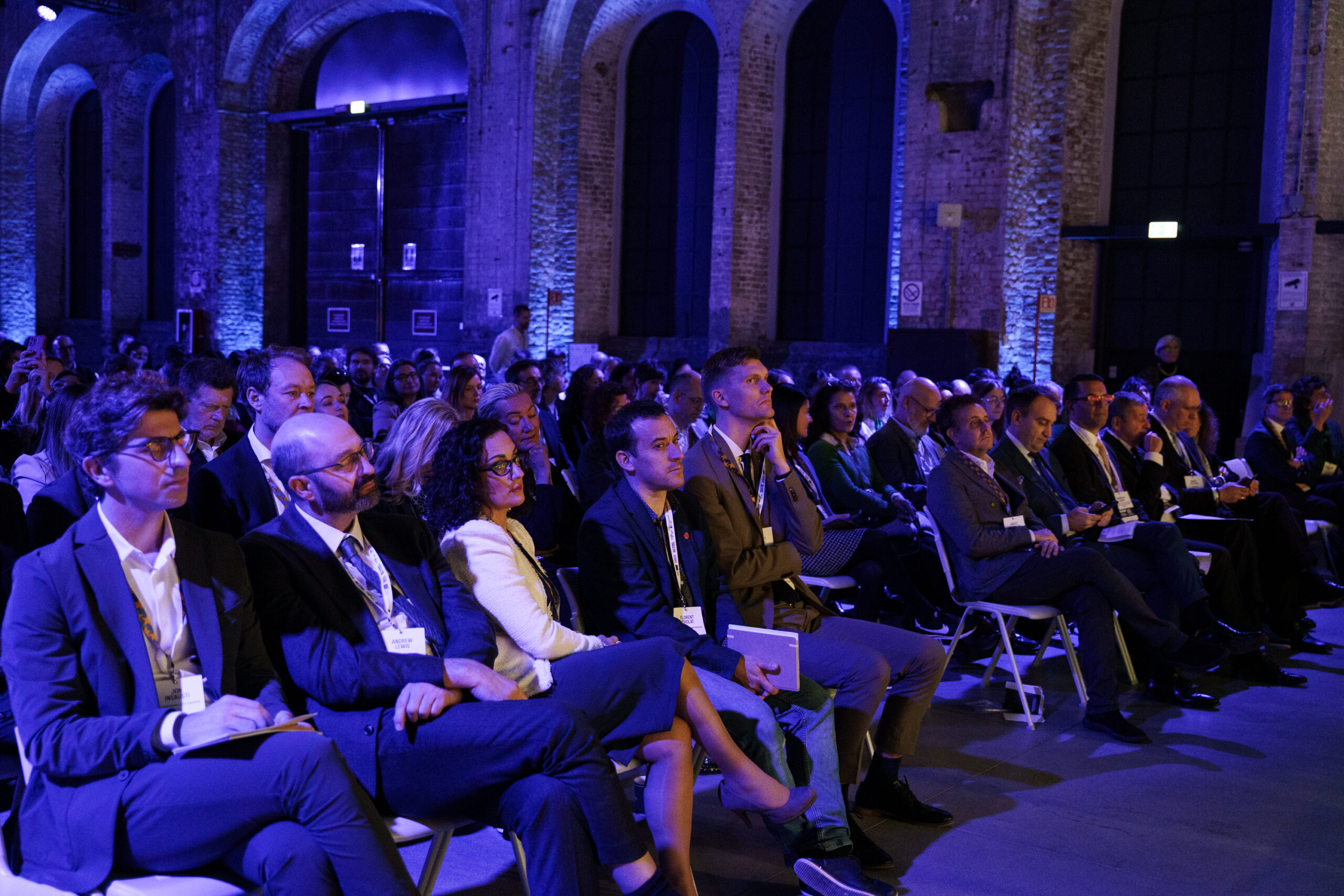
The iCapital Awards Ceremony took place in beautiful Turin, an innovation leader itself. It was an honour to be a member of this Jury and to witness the incredible innovation efforts of the winning cities!
Graphics and quoted texts: European Innovation Council, 2025.
#urbaninnovation #icapital #eic